Picture a Southern California street in the early 1970s. A group of kids drag their bikes onto a patch of empty dirt, push some soil into rough jumps and berms, and start racing each other the way they’ve seen motorcycle riders do on TV. Down the road, another group of kids is skateboarding along the curved walls of an empty backyard swimming pool. Neither group knows it yet, but both are inventing something that will spread around the world.
This is the story of BMX history and skatepark history, two scenes that grew up side by side. They borrowed tricks from each other, fought over the same ramps and helped create a youth culture built on music, DIY spirit and the freedom to ride. Here’s how a backyard pastime became a global lifestyle and, eventually, an Olympic sport.
The Origins of BMX in the 1970s
Kids, Sting-Rays and Motocross Dreams
BMX stands for “bicycle motocross,” which is a good summary of how it began. In the late 1960s and early 1970s, motocross racing was booming in California. Kids who couldn’t afford a motorcycle, or weren’t old enough to ride one, did the next best thing. They took their bicycles to dirt lots and raced them like dirt bikes.
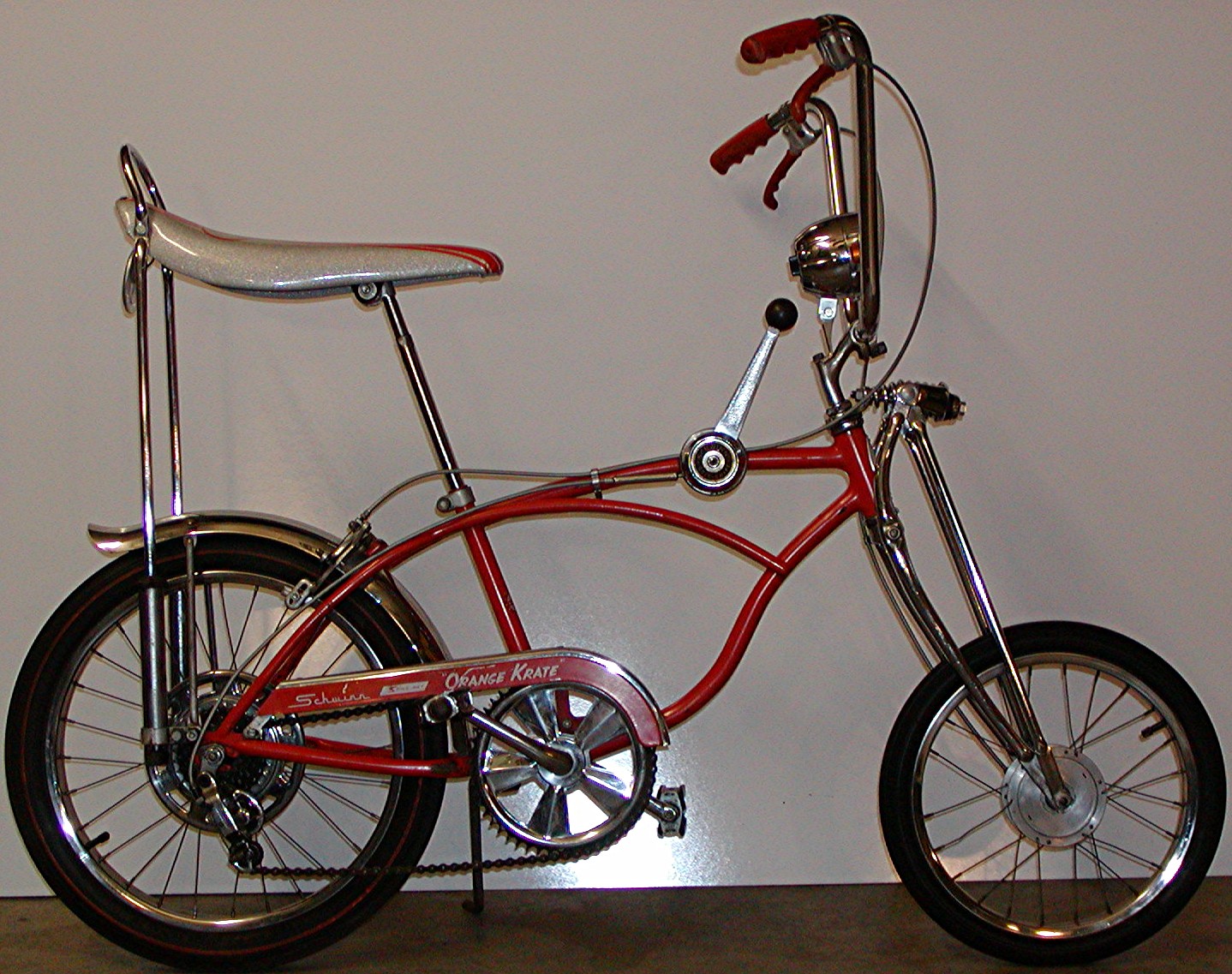
The bike of choice was often the Schwinn Sting-Ray, a small-wheeled bike with a banana seat and high-rise handlebars that Schwinn introduced in 1963. It wasn’t built for jumps, but it was tough, nimble and everywhere. Riders quickly stripped them down and modified them, and that tinkering pushed manufacturers toward stronger frames, knobby tires and designs made specifically for dirt racing.
“On Any Sunday” and the First Races
The 1971 motorcycle documentary On Any Sunday is often credited with putting BMX on the map. Its opening sequence shows kids racing and jumping their bikes like motocross riders, and many young viewers saw themselves in it.
Around the same time, organized racing began to take shape. Scot Breithaupt is widely credited with organizing some of the first BMX races in Long Beach, California, in the early 1970s, and he went on to become an influential figure in the sport’s industry. Local tracks multiplied, and riders started earning trophies, sponsorships and reputations.
How BMX Became Its Own Sport and Culture
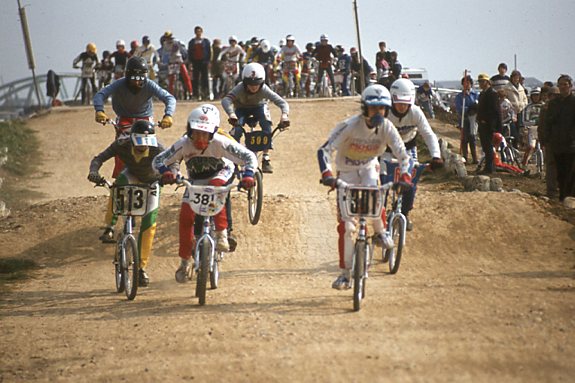
Sanctioning Bodies and the Racing Boom
By the mid-1970s, BMX racing needed rules, rankings and national events. Several sanctioning bodies formed to provide them. The American Bicycle Association (ABA), founded in 1977, became one of the largest. Decades later, in 2011, the ABA and the National Bicycle League merged to form USA BMX, which still runs racing in the United States today.
The sport went international too. The International BMX Federation was founded in 1981 to organize racing worldwide, and BMX was brought under the Union Cycliste Internationale (UCI), cycling’s world governing body, in 1993. That move would later open the door to the Olympics.
The Birth of Freestyle BMX
Not every rider wanted to race. Some were more interested in what they could do with the bike than how fast they could ride it. In the late 1970s, riders began doing tricks on flat ground, on banks and in the same skateparks and pools that skateboarders were riding.
Bob Haro, often called the “father of freestyle,” was one of the key figures. He performed trick shows and worked as an artist for BMX Action magazine, which launched in the mid-1970s, and he went on to found Haro Bikes. Freestyle soon split into its own styles. Flatland was all about balance and spinning the bike on smooth pavement. Vert meant flying out of tall ramps. Street and dirt jumping brought the bike back to the city and the trails.
BMX Goes Mainstream
The early 1980s turned BMX into a pop-culture phenomenon. The famous bike chase in Steven Spielberg’s E.T. the Extra-Terrestrial (1982) put BMX bikes on movie screens around the world, and the 1986 film Rad became a cult classic for a generation of riders. Magazines like Freestylin’, which launched in the mid-1980s and counted a young Spike Jonze among its photographers, helped define the look and attitude of BMX culture.
The 1990s brought a new wave of progression. Riders like Mat Hoffman pushed vert riding to huge heights and later founded his own bike company. When ESPN held the first Extreme Games in Rhode Island in 1995 (renamed the X Games the following year), BMX was part of the program. Stars like Dave Mirra became household names to a new generation of fans.
The Origins and Evolution of Skateparks
Sidewalk Surfing and Empty Pools
Skateboarding grew out of California surf culture in the 1950s, when surfers started riding boards on wheels on days with no waves, a pastime nicknamed “sidewalk surfing.” Early skateboards had clay or metal wheels that made riding rough and slippery.
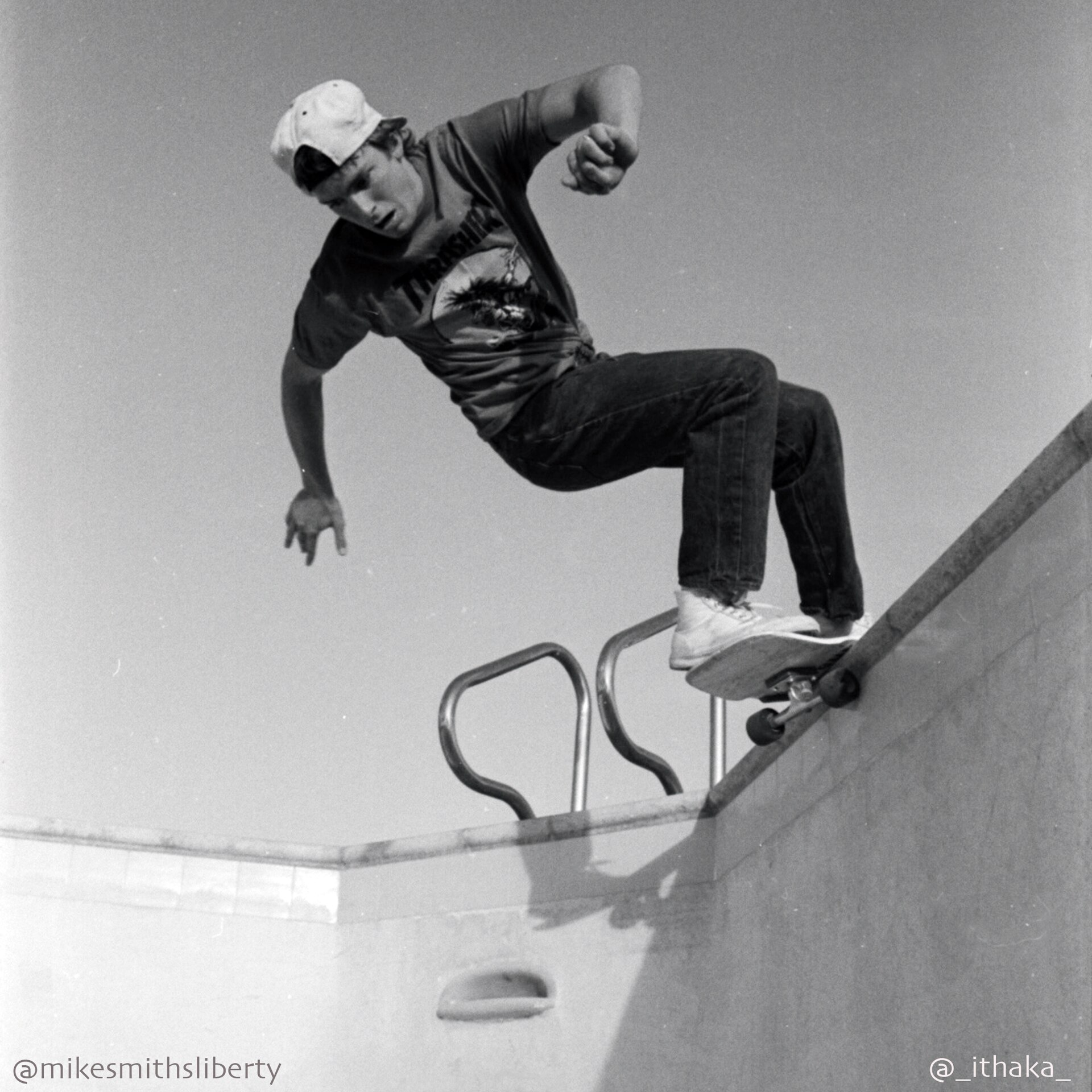
Two developments in the 1970s changed everything. First, polyurethane wheels, popularized by Frank Nasworthy in the early 1970s, gave skateboards grip and speed. Second, a severe drought in California in the mid-1970s left many backyard swimming pools empty. Skaters, including the famous Zephyr team from the Santa Monica and Venice area (often called the Z-Boys or “Dogtown”), discovered that the smooth, curved walls of an empty pool were perfect for carving. Pool riding helped create the aggressive, surf-inspired style of vertical skating.
The First Skatepark Boom
The next step was obvious: build places designed for skating. In 1976, some of the first purpose-built commercial skateparks opened in the United States, including Carlsbad Skatepark in California and SkateBoard City in Port Orange, Florida. Dozens more followed, with concrete bowls, snake runs and halfpipes inspired by the pools skaters loved.
That first boom didn’t last. By the end of the 1970s and into the early 1980s, high liability insurance costs and changing trends forced many parks to close, and many were bulldozed. Skaters adapted by building their own wooden ramps in backyards and taking skateboarding into the streets.
Street Skating and the DIY Era
The 1980s turned skateboarding toward the streets. The ollie, a no-hands jump first developed on vert by Alan “Ollie” Gelfand in the late 1970s and adapted to flat ground by Rodney Mullen, made it possible to jump curbs, stairs and benches. Suddenly, the whole city was a skatepark. Teams like Powell Peralta’s Bones Brigade spread new tricks through VHS videos, and magazines carried the culture around the world.
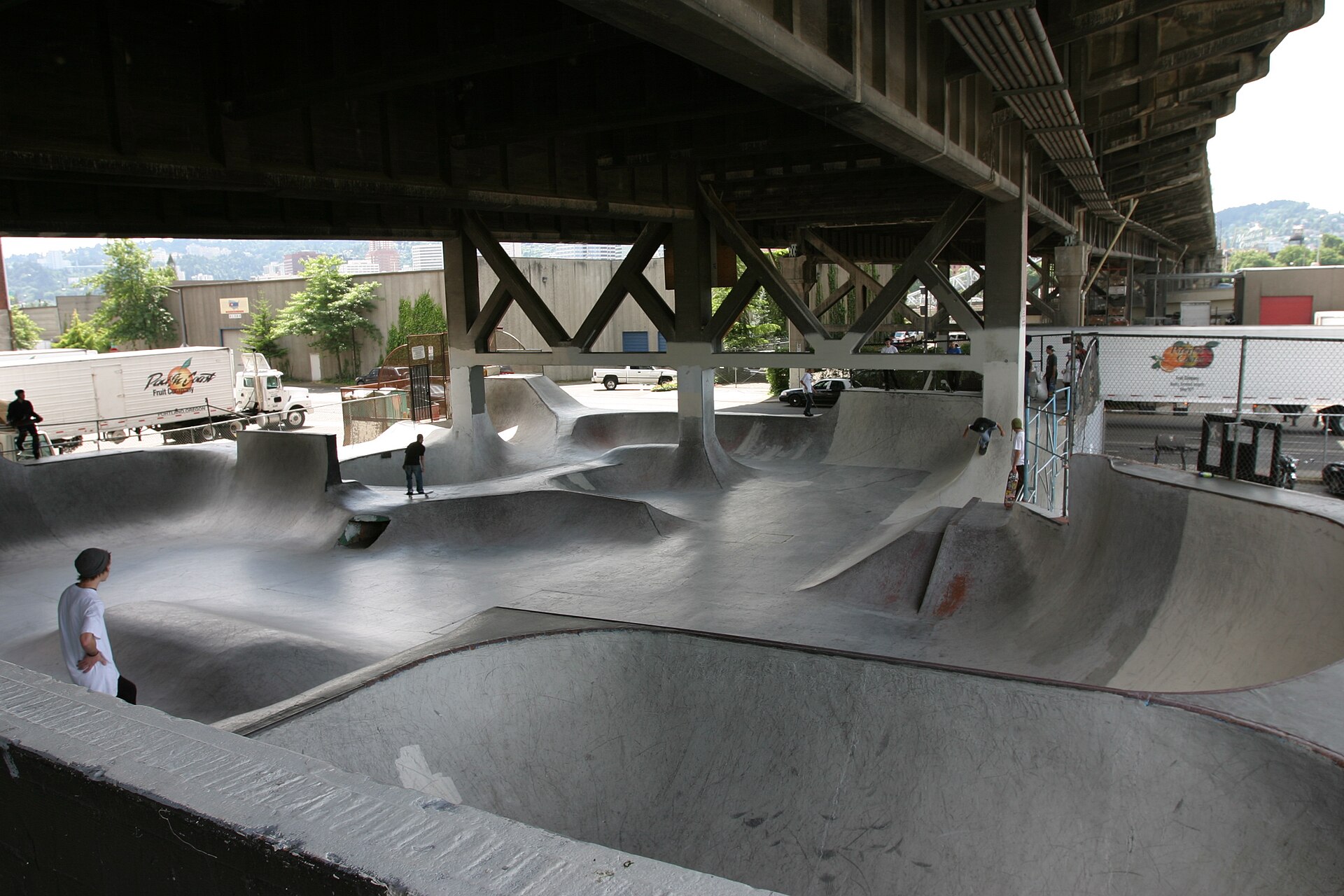
When there were no parks, skaters built their own. The most famous example is Burnside in Portland, Oregon. In 1990, skaters began pouring concrete under the Burnside Bridge without permission. Over time the city came to accept the spot, and Burnside became a legendary model for do-it-yourself skateparks everywhere.
The Public Skatepark Revolution
In the late 1990s, California law classified skateboarding as a “hazardous recreational activity,” which helped limit cities’ liability and made public skateparks far easier to build. Around the same time, skateboarding exploded in popularity. Tony Hawk landed the first 900 (two and a half spins in the air) at the 1999 X Games, and the Tony Hawk’s Pro Skater video game, released that same year, introduced millions of kids to the sport.
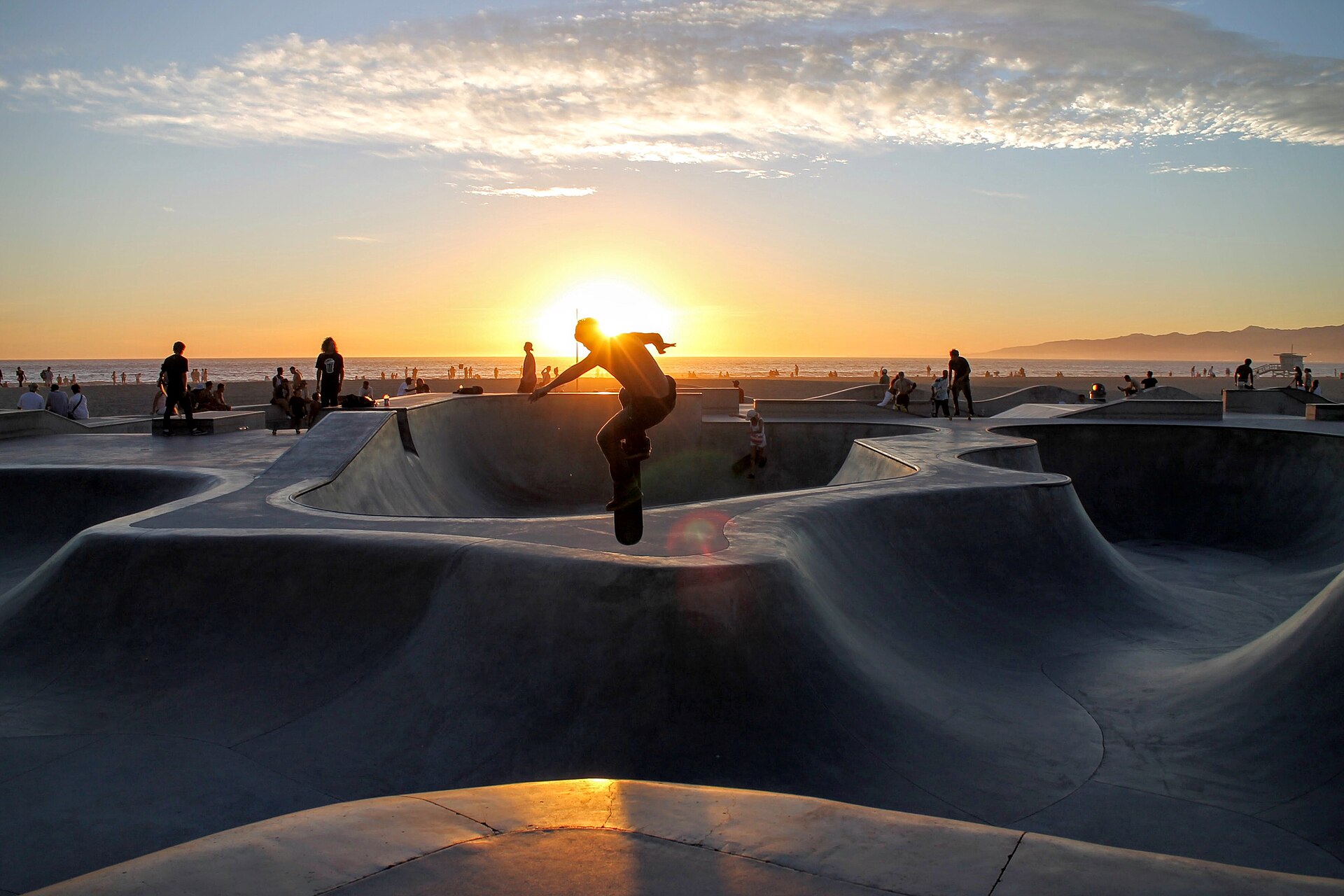
Since then, public skateparks have spread to towns and cities worldwide, increasingly designed by specialist builders who skate themselves. Organizations like Tony Hawk’s foundation, now known as The Skatepark Project, have helped fund public skateparks in underserved communities. Modern parks often mix street sections with transition bowls, and many are shared by skaters, BMX riders and scooter riders alike.
Key Moments in BMX and Skatepark History
Here’s a quick timeline of milestones mentioned in this article:
- 1963: Schwinn introduces the Sting-Ray, a favorite bike of early BMX riders.
- 1971: On Any Sunday features kids racing bikes motocross-style.
- Early 1970s: Polyurethane skateboard wheels transform skateboarding.
- Mid-1970s: Drought-emptied California pools spark vertical skating.
- 1976: Some of the first commercial skateparks open in California and Florida.
- 1977: The American Bicycle Association is founded.
- 1981: The International BMX Federation is founded.
- 1982: E.T. makes BMX bikes famous worldwide.
- 1990: Skaters begin building Burnside in Portland, Oregon.
- 1993: BMX comes under the UCI, cycling’s world governing body.
- 1995: The first Extreme Games (later the X Games) include BMX and skateboarding.
- 1999: Tony Hawk lands the first 900 at the X Games.
- 2008: BMX racing debuts at the Beijing Olympics.
- 2021: BMX freestyle and skateboarding debut at the Tokyo 2020 Olympics.
From Dirt Tracks to the Olympics
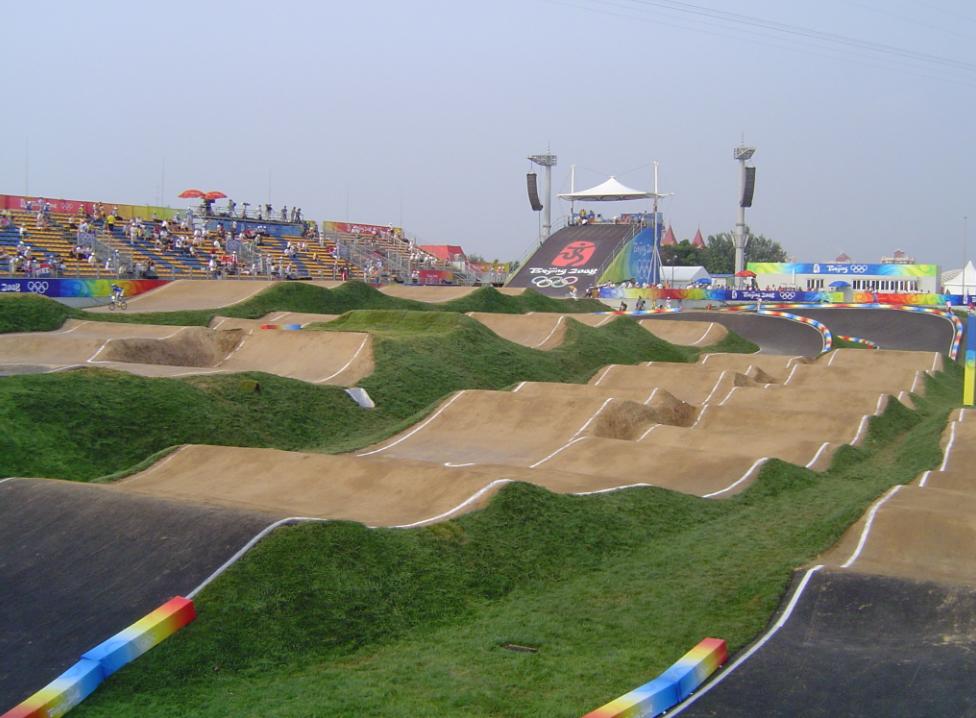
BMX racing made its Olympic debut at the 2008 Beijing Games, where Latvia’s Māris Štrombergs and France’s Anne-Caroline Chausson won the first gold medals. It was a remarkable moment for a sport that started with kids racing in vacant lots.
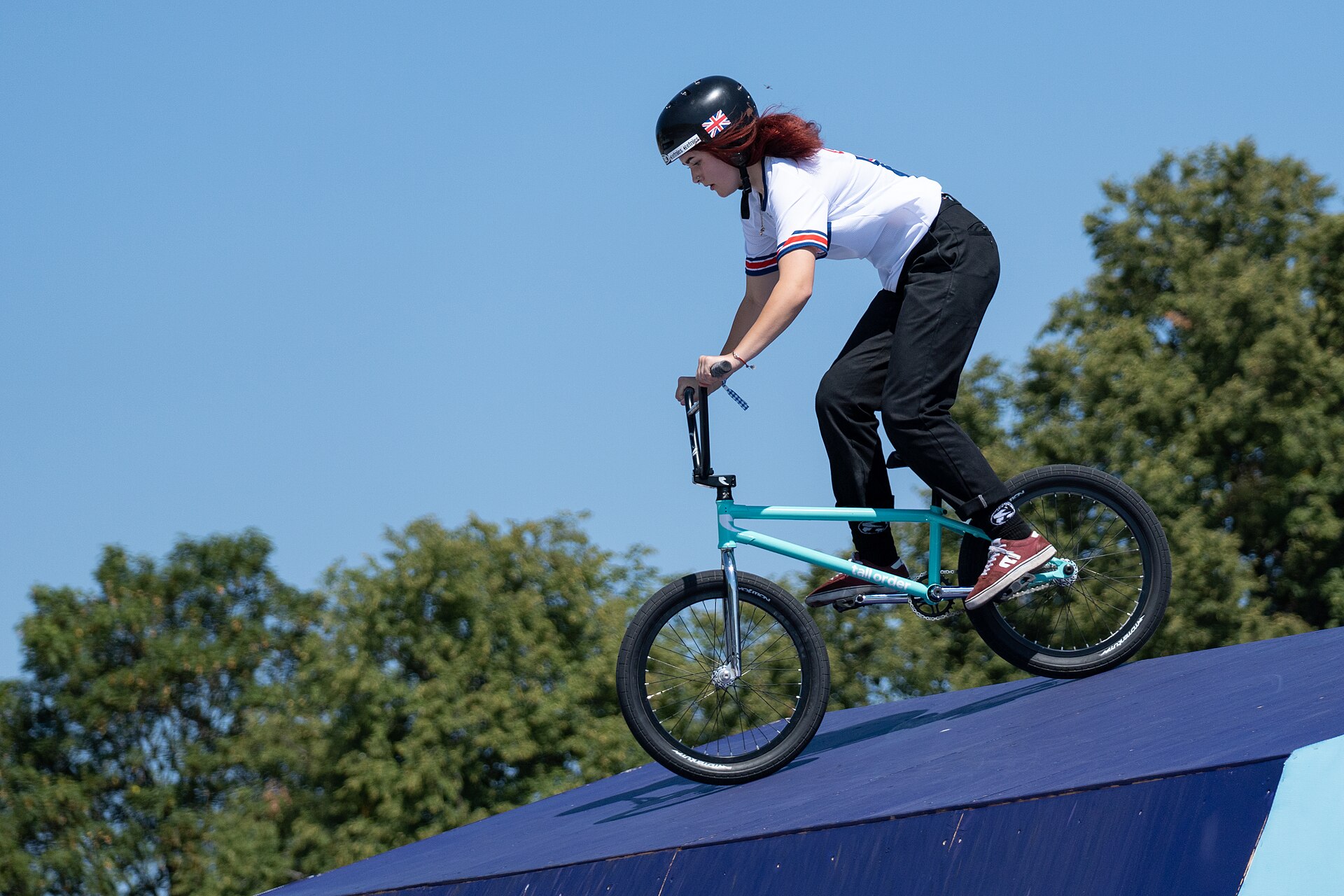
At the Tokyo 2020 Games, held in 2021, BMX freestyle park and skateboarding both made their Olympic debuts. Australia’s Logan Martin and Great Britain’s Charlotte Worthington won the first BMX freestyle golds. Worthington’s run included the first 360 backflip landed in women’s competition. In skateboarding, Japan’s Yuto Horigome and Momiji Nishiya won street gold, Sakura Yosozumi and Australia’s Keegan Palmer won park gold, and the image of teenagers on the Olympic podium showed how young and global the sport had become.
BMX, Skateboarding, Music and Youth Culture
Shared Spaces and Friendly Rivalry
BMX and skateboarding have always been closely linked. Freestyle BMX riders borrowed the pools, ramps and many of the tricks of skateboarding, while both groups shared the same streets, plazas and parks. Some early skateparks banned bikes, and the rivalry between “bikers” and “skaters” is a long-running joke in both scenes. But they share far more than they disagree on: a love of creativity, progression and finding new ways to use everyday spaces.
The Soundtrack of the Scene
Music has been part of BMX culture and skate culture from the start. In the 1980s, punk and hardcore became closely tied to skateboarding, helped by magazines like Thrasher, founded in 1981, with its famous “Skate and Destroy” attitude. Later, hip-hop, indie rock and many other genres became the soundtrack to video parts, the edited clips of a rider’s best tricks that remain one of the scene’s most important art forms.
Street Culture and DIY Spirit
Both BMX and skateboarding grew up outside traditional sports. There were no coaches or leagues for most riders, just friends, a camera and whatever spot they could find. That independence fed into fashion, photography, graphic design and filmmaking. It also gave young people a sense of identity and community. Building a DIY spot, filming a video or starting a small brand are as much a part of the history as any contest result.
Conclusion: Still Rolling
From kids imitating motocross racers on Sting-Rays to Olympic finals watched around the world, BMX history is a story of young people building their own sport from scratch. The history of skateparks follows the same path: empty swimming pools, short-lived commercial parks and illegal concrete under a bridge, all leading to public parks in communities everywhere.
Today, BMX and skateboarding are recognized sports, but their heart is still the same. They’re about creativity, community and the simple joy of riding. Whether you’re dropping into a bowl for the first time or just watching from the deck, you’re part of a culture that kids built themselves.


._Photo_by_Ithaka_Darin_Pappas.jpg)

.jpg)
_Venue.JPG)
